

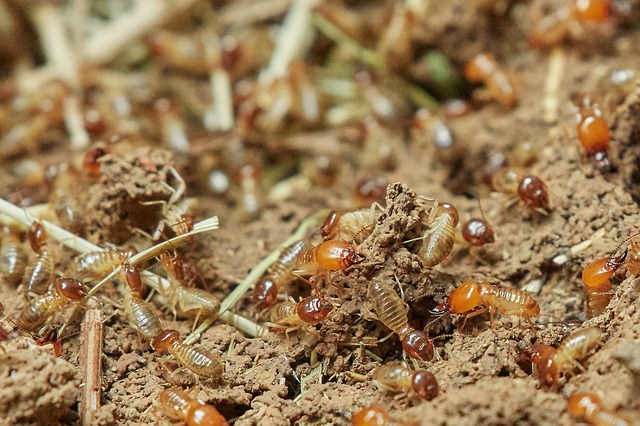
Many dream of a beautiful home with a backyard and a deck. But what many don’t talk about is the consistent care that you have to put into it. Your home is a sanctuary, yes, but it is also food for termites.
Often incorrectly called white ants, these industrious insects are responsible for more damage to Australian homes than fires, floods, and storms combined. In fact, statistics suggest that one in four Australian homes will be affected by termites at some stage.
Because most home insurance policies do not cover termite damage, prevention is a financial necessity. Here are a few things you can do to protect your sanctuary from these damaging pests!
Master Moisture Management
Termites look for moisture. They need a humid environment to survive, which is why they love the damp soil around your foundation.
So, if your property has leaks, make sure to take the time to fix them. Regularly check your external taps, pipes, and air conditioning units. Ensure that AC condensation pipes and hot water system overflows drain into a proper gully or at least 2 meters away from the house.
Likewise, remember that blocked gutters lead to water cascading down your walls and pooling at the base of your home. Keep your gutters clear and ensure downpipes are connected to a legal stormwater discharge point.
Mind Your Garden Beds
We all love a lush garden, but they can accidentally attract termites.
Wood-based mulch is essentially termite food that holds moisture. This is the ultimate happy meal for a colony. If you use mulch, keep it at least 30cm away from the edge of your house. Better yet, use pebbles or crushed rock against the slab.
In Australia, most modern homes are built with a termite inspection zone. This is usually a 75mm gap of exposed slab edge. Never cover this with soil, garden beds, or pavers, as it allows termites to enter your home undetected.
Keep Weep Holes Clear
If you live in a brick veneer home, you’ll notice small vertical gaps in the mortar between some bricks near the ground. These are weep holes, and they are vital for ventilating your wall cavity.
Don't block them. Homeowners often accidentally cover these with soil or garden features. If a termite finds a blocked or hidden weep hole, they have direct access into your timber wall frames. Consider installing stainless steel weep hole guards instead. They allow the wall to breathe while keeping termites (and other nasties like spiders and wasps) out.
Store Wood Wisely
It sounds obvious, but many of us are guilty of stacking firewood or spare building materials against the side of the house or under the sub-floor.
Elevate and separate these instead. Store firewood at least 5 meters away from your home and keep it off the ground on a metal stand.
Also, make sure to remove old stumps. Dead tree stumps are a magnet for termite colonies. If you have an old stump in the yard, have it professionally ground out or treated.
Boost Sub-Floor Ventilation
If your home is built on piers or a suspended floor, the area underneath must stay dry.
Airflow is key. Ensure that the vents around the base of your house aren't blocked by plants or stored boxes. Stagnant, damp air under a house is a termite’s paradise. If the ground under your house feels damp, you may need to install a sub-floor fan.
Know the Warning Signs
Even with the best prevention, you should keep an eye out for these red flags:
Mud Tubes – Small, pencil-thick tunnels made of mud running up your foundation or walls.
Hollow Timber – Tap your skirting boards or door frames; if they sound "papery" or hollow, it’s a bad sign.
Tight Doors/Windows – Termites produce moisture as they eat, which can cause timber frames to swell and stick.
The "Flying Ants" – If you see swarms of winged insects (alates) on a humid summer evening, a colony is nearby and looking to start a new home.
Get Professional Help
While DIY maintenance is a great start, Australian Standards (AS 3660.2) recommend a professional termite inspection at least every 12 months. Termites are immensely capable pests. Professional help is your best protection. Call 1300 562 053 to learn more.