
For Pest Control Assistance Call 1300 562 053
-
Home

- Blog
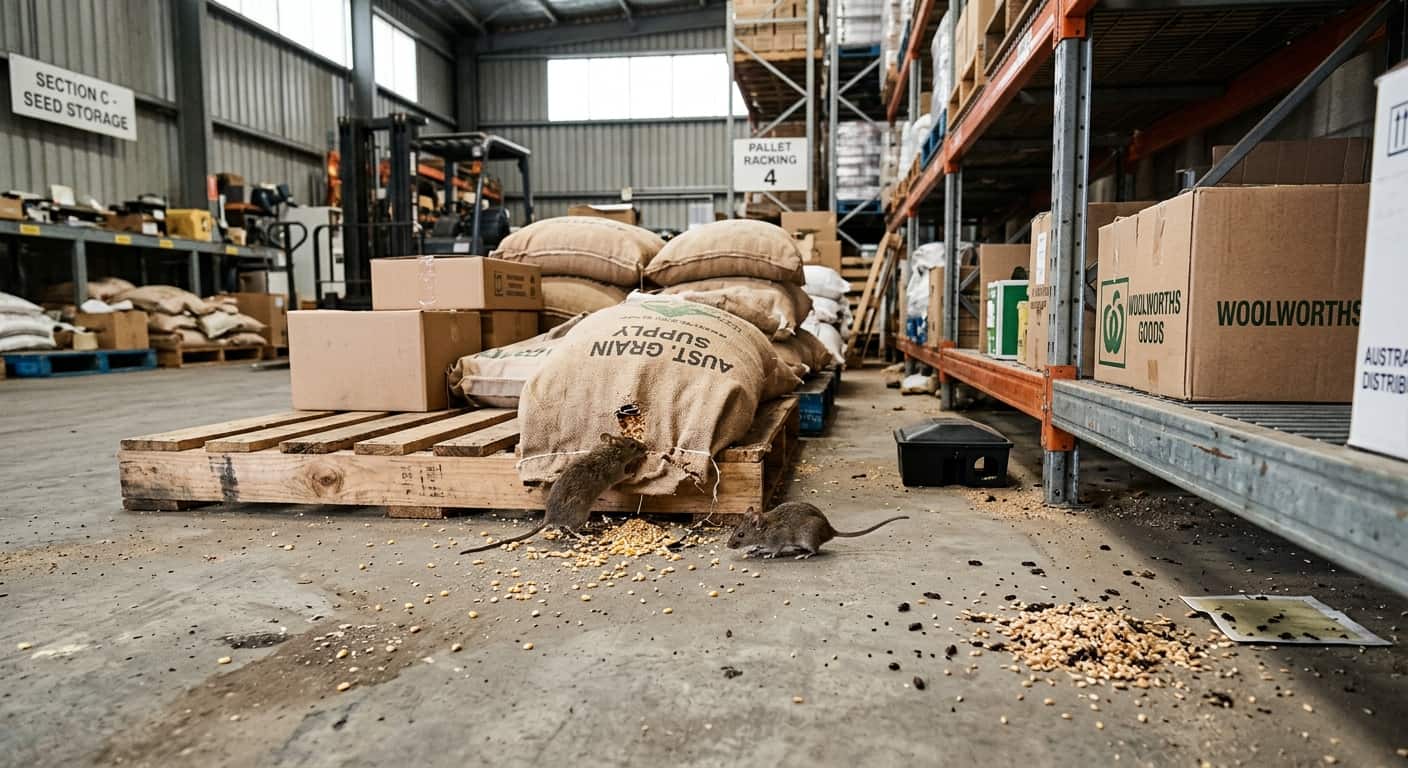
When the calendar flips from August to September and temperatures across New South Wales start creeping upward, warehouse managers face one of their most demanding operational challenges of the year… the spring pest surge.
It happens every year, and yet it still catches businesses off guard. Rodents that spent winter sheltering inside wall cavities and subfloor spaces become emboldened by warmer nights and expand their territory. Stored product insects (SPIs), sluggish over the cooler months, respond rapidly to rising temperatures with accelerated breeding cycles.
With Australia's spring also bringing increased humidity along the east coast, conditions inside loading docks, racking aisles, and storage areas can quickly become ideal for infestation — often invisibly.
For distribution centres, food manufacturers, 3PL operators, and wholesale businesses across NSW, spring isn't just a busy period for trade. It's a critical window for pest management.
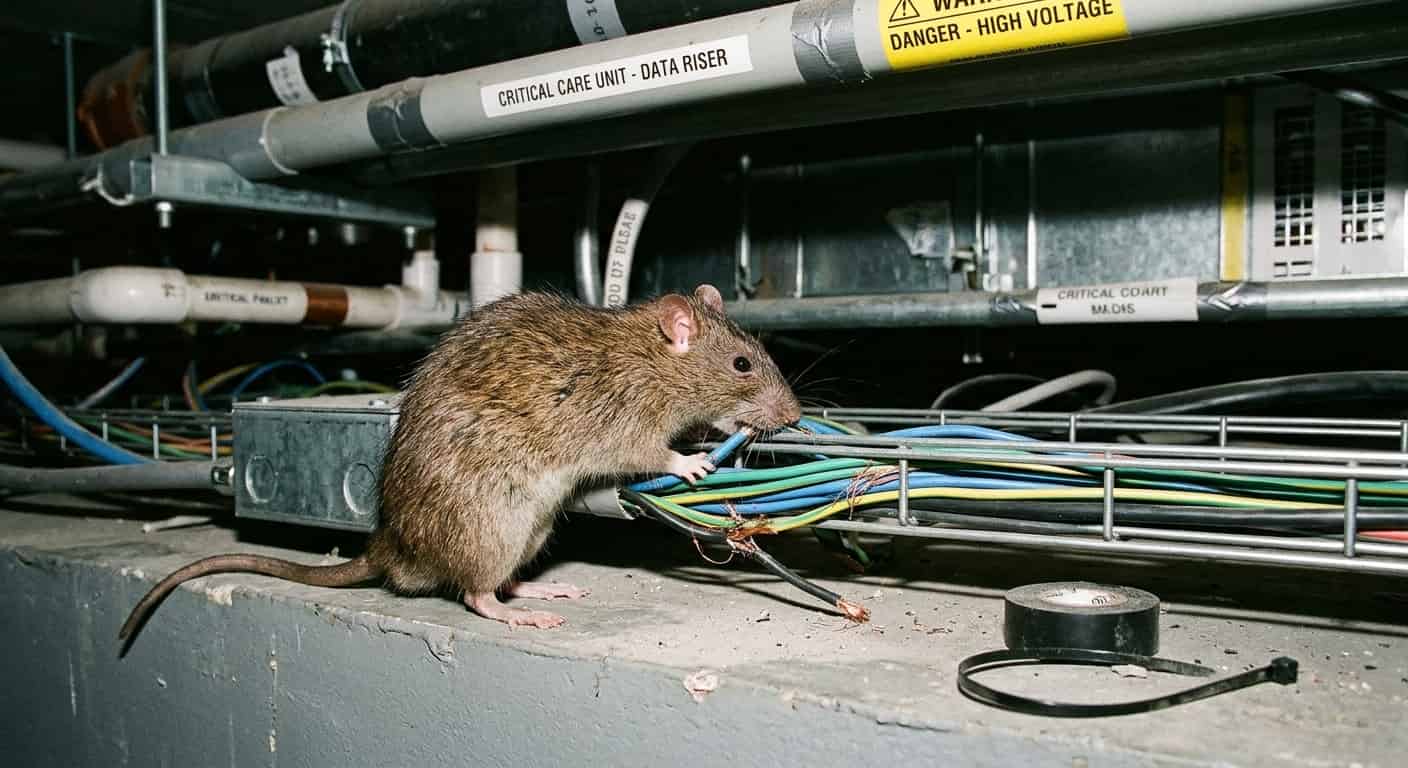
When most people think of rodents in a hospital, their first concern is infection. And rightly so — rats and mice are carriers of dangerous pathogens. But there is a second, less-discussed threat that hospital facility managers and healthcare administrators in NSW need to take seriously: rodents chewing through electrical wiring and medical equipment cables.
In a hospital environment, this is not just a maintenance issue. It is a patient safety crisis waiting to happen.
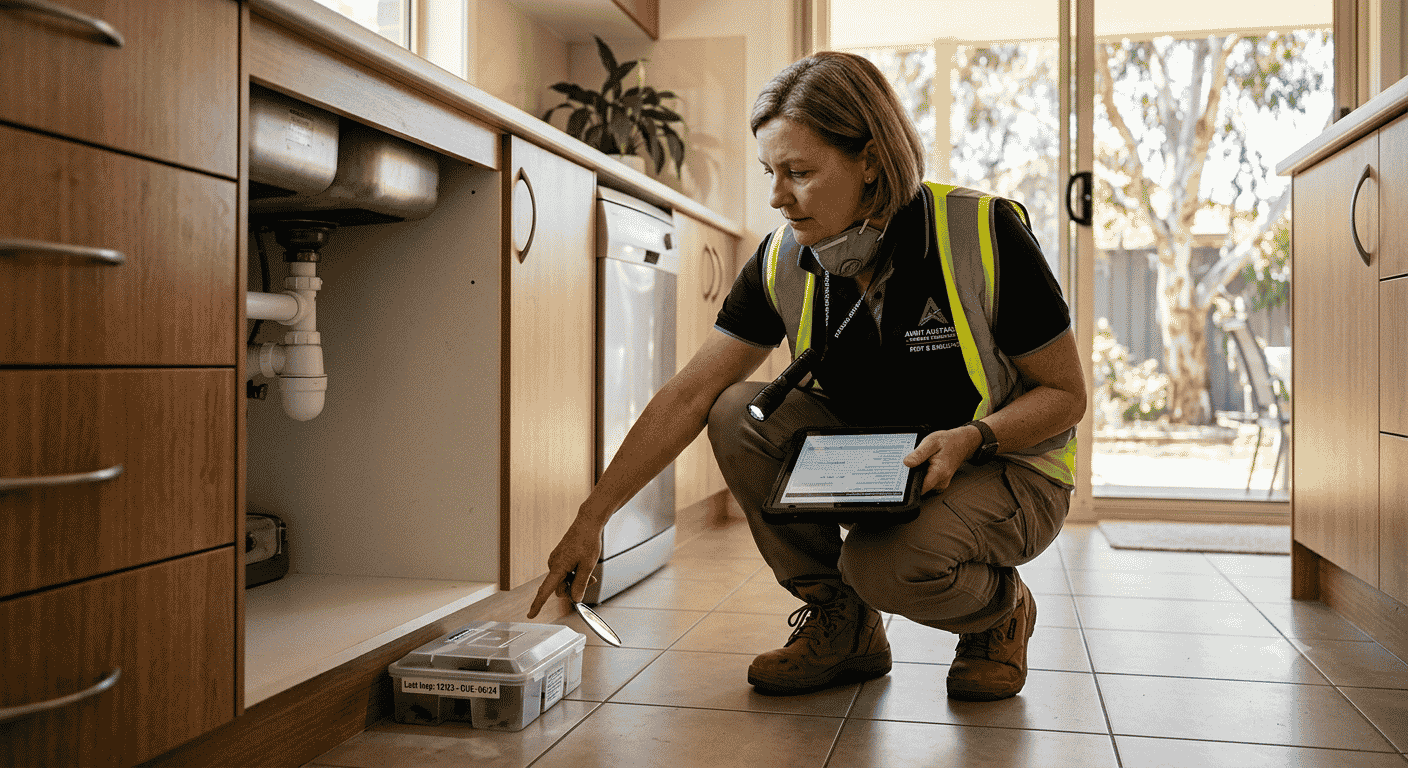
Pest control compliance is one of those areas where many commercial property operators, strata managers, and facilities managers assume they are covered — until an auditor, council officer, or insurance assessor asks for documentation that does not exist.
Whether you are preparing for a routine building audit, responding to a council health inspection, renewing a commercial lease, or simply trying to get your strata scheme's compliance file in order, understanding what auditors actually look for in a pest management context can save you significant time, cost, and exposure.
This checklist covers the key areas that experienced auditors, environmental health officers, and compliance reviewers assess when evaluating commercial pest control programs in New South Wales — and what you need to have in place to demonstrate that your building or portfolio is being managed to the required standard.

Running a business in New South Wales (and the rest of the country, for that matter) comes with no shortage of challenges — rising overheads, staffing pressures, and regulatory compliance are just a few. Pest control rarely makes it to the top of the priority list. But ignoring it? That's a mistake that can cost far more than a regular treatment plan ever would.
Whether you operate a café in Sydney's Inner West, a warehouse in Parramatta, a childcare centre on the Central Coast, or a strata complex in the Hills District, pests are an ever-present threat in Australia's commercial landscape. Our warm coastal climate, high-density urban areas, and year-round humidity create near-perfect conditions for cockroaches, rodents, ants, termites, and flies to thrive and to infiltrate your premises.
Here's a clear-eyed look at the real costs of doing nothing — and what you can do to protect your business.
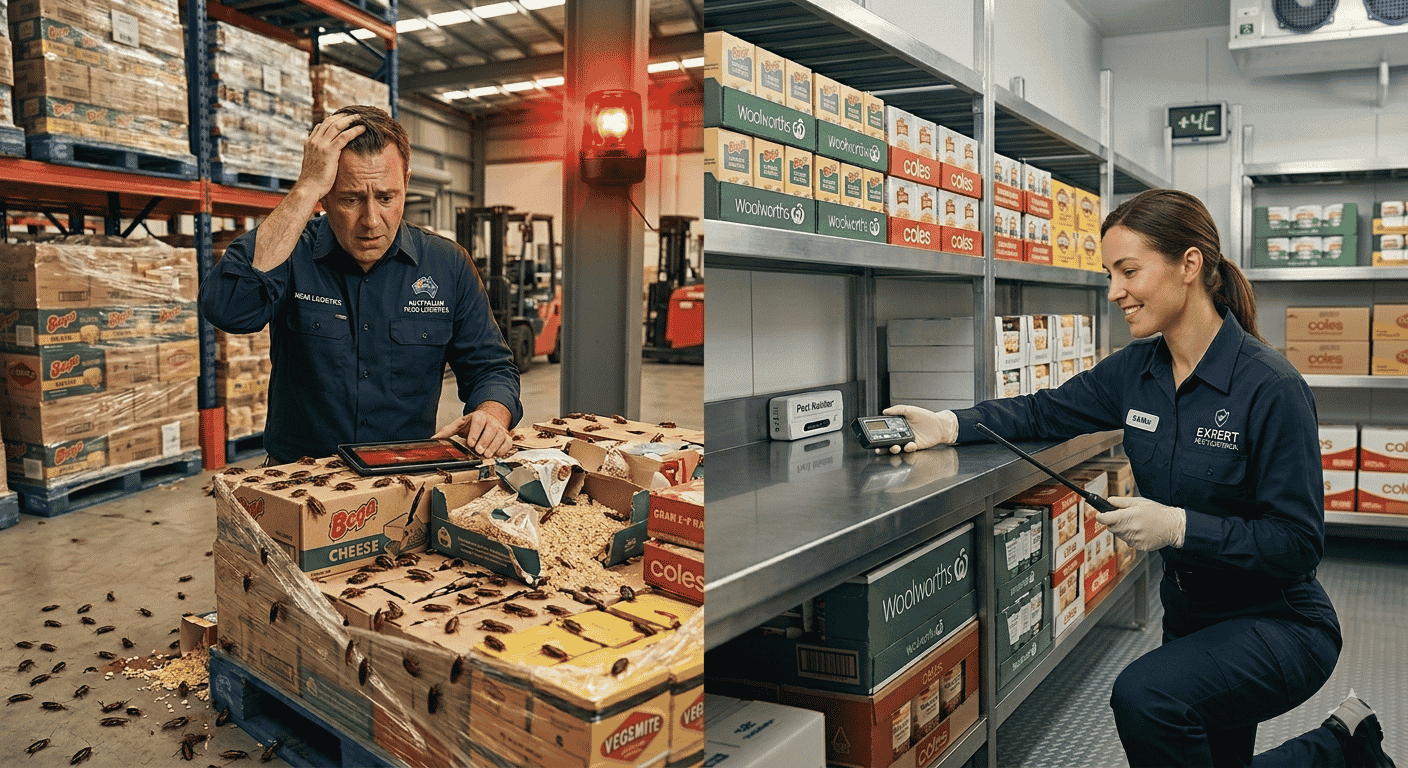
For far too long, pest control in Australian businesses has followed a familiar, frustrating pattern: ignore the problem until it becomes impossible to ignore, call an exterminator, apply chemicals, and repeat. This reactive cycle is costly, disruptive, and — in an era of heightened environmental awareness and stricter food safety regulations — increasingly untenable.
Across Sydney, forward-thinking businesses are abandoning this outdated approach in favour of Integrated Pest Management (IPM), a proactive, evidence-based framework that treats pest control as an ongoing discipline rather than an emergency response. Here’s what you need to know about IPM and how you can apply it for your business.
Page 1 of 19
Request a quote Don't risk your valueable assets, prevent pest problems now by requesting a quote.

Request a quote now call 1300 562 053
PO Box 7377 - Penrith South, NSW 2750
Copyright 2026 SafeSpray Pest Control


"Proud sponsor of the Penrith Panthers"